
UK MLB Parlay Strategies: Multi-Game Bets and Correlation
 Available in US
Table of Contents
- Evaluating the Risk and Payout of Baseball Parlays
- How MLB Parlay Odds Work
- Traditional Parlays Versus Same-Game Parlays
- Understanding Correlation in Baseball Parlays
- Smart Parlay Construction Strategies
- When to Parlay and When to Avoid
- SGP Building Tips: Correlated Legs That Work
- Parlay Insurance and Promotional Opportunities
- Managing Expectations and Variance
- Finding Your Parlay Edge

Parlays occupy a peculiar place in sports betting culture. Sportsbooks love them because the combined vig across multiple legs produces higher margins than straight bets. Recreational bettors love them because small stakes can produce life-changing payouts. Sharp bettors generally avoid them because the math works against you — yet even professionals occasionally find parlay situations where the structure makes sense.
Baseball parlays deserve special consideration because the sport’s characteristics create unique opportunities. The sheer volume of games means more combinations to evaluate. The relatively predictable nature of starting pitcher matchups allows for reasonable multi-game projections. And the correlation between certain outcomes within games makes same-game parlays potentially more viable than in other sports.
This guide examines MLB parlays from every angle. You’ll learn when the math supports parlay betting versus when you’re simply donating extra juice to the sportsbook. You’ll understand how to build logically correlated legs that improve expected value compared to random combinations. And you’ll develop strategies for managing the inevitable variance that comes with betting outcomes that must all hit to pay.
The honest truth about parlays is that most bettors lose money on them over time. The compounding vig makes overcoming the house edge significantly harder than straight betting. But understanding this reality helps you identify the narrow situations where parlays offer genuine strategic advantages rather than just entertainment value with negative expected returns.
Before combining multiple selections into a single ticket, make sure you know exactly how to analyze MLB matchups to minimize your risk.
Evaluating the Risk and Payout of Baseball Parlays

Parlays attract bettors because they transform modest investments into substantial potential returns. A $20 three-leg parlay paying 6-to-1 returns $140 on a hit. That same $20 spread across three straight bets at -110 each returns around $38 if all three win. The parlay’s payout is nearly four times higher for the identical outcomes.
This payout structure creates the psychological appeal that keeps recreational bettors coming back. The dream of turning $50 into $500 or $100 into $2,000 feels more exciting than grinding out small wins on individual games. Social media amplifies this appeal — winning parlay tickets get posted and shared while the thousands of losing slips disappear into the void.
The mathematical reality dampens the excitement. Each leg you add to a parlay multiplies the vig you’re paying. A single -110 bet has implied hold of about 4.76%. A two-leg parlay at -110 per leg compounds that to roughly 9%. By the time you reach four or five legs, you’re fighting 15-20% implied margins before you even start handicapping.
This compounding effect explains why sportsbooks aggressively promote parlays through advertising and bonuses. They want you building five-leg same-game parlays because the expected hold is enormous compared to straight bets. The occasional big winner they pay out is more than offset by the structural advantage across all parlay action.
Understanding this dynamic doesn’t mean avoiding parlays entirely — it means being selective about when they make strategic sense. Certain situations reduce the mathematical disadvantage enough that parlays become reasonable plays rather than pure entertainment bets.
How MLB Parlay Odds Work
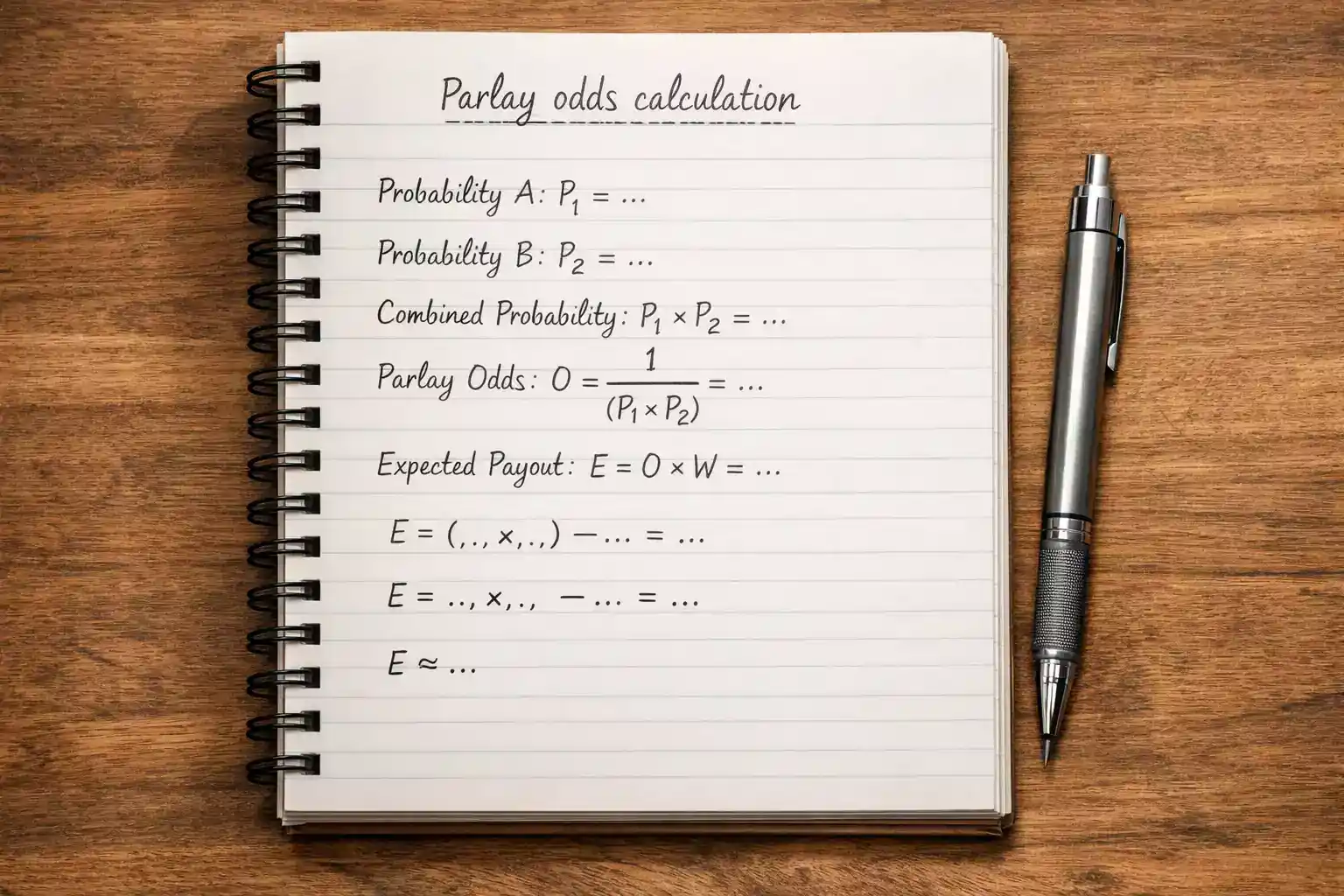
Parlay odds calculation follows straightforward multiplication, but understanding the mechanics helps you evaluate whether specific combinations offer value or simply multiply your disadvantage.
For American odds, each leg converts to decimal format, multiplies together, then converts back. A two-leg parlay combining -150 and +130 works like this: -150 equals 1.67 decimal, +130 equals 2.30 decimal. Multiply them (1.67 × 2.30 = 3.84) and convert back to American odds of approximately +284. Your $100 bet returns $384 total if both legs hit.
The no-vig probability of that parlay hitting: -150 implies 60% probability, +130 implies 43.5% probability. Multiply those (0.60 × 0.435 = 0.261) for 26.1% true probability. At fair odds, that parlay should pay +283. The sportsbook’s +284 is actually very close to fair — but only because you’re already paying juice on each individual leg.
This is where many bettors miss the point. The parlay odds themselves might look fair, but you’ve already been squeezed on each component line. If the true probability of your -150 favorite winning is 62% rather than 60%, you’ve given up edge on that leg that compounds through the parlay.
Sportsbooks further extract value through parlay-specific rules. Some books reduce payouts on “obvious” parlays where legs correlate. Others round parlay odds down at various thresholds. Reading the fine print on parlay terms reveals hidden costs that don’t appear in the headline odds.
The most important calculation for any parlay is comparing your projected probability against the implied probability of the parlay odds. If you project both legs of a two-team parlay at 55% each (30.25% combined), you need parlay odds better than +230 for positive expected value. Run this math before betting any parlay to understand whether you’re getting fair compensation for the combined risk.
Same-game parlays add complexity because sportsbooks set their own prices rather than simply multiplying individual leg odds. This opacity makes SGP evaluation harder — you can’t easily verify whether the combined odds fairly reflect correlation-adjusted probabilities. Sharp bettors approach SGPs with extra skepticism precisely because the pricing is less transparent.
Traditional Parlays Versus Same-Game Parlays
Traditional parlays combine bets from different games — the Yankees moneyline plus the Dodgers run line plus the Cubs-Cardinals over. Each leg resolves independently based on its respective game outcome. These parlays dominated the market for decades before sportsbooks introduced same-game options.
The advantage of traditional parlays lies in transparent pricing. You can calculate exact odds by multiplying individual lines, and you can shop each leg separately across sportsbooks. If one book offers better odds on the Yankees and another prices the Dodgers more favorably, you can optimize each leg before combining them.
Traditional parlays work best when you’ve identified value on multiple games and want to amplify returns. If your handicapping reveals three games with positive expected value as straight bets, parlaying them maintains that edge while increasing variance and potential payout. The key requirement is genuine edge on each leg — parlaying neutral or negative expected value bets just compounds your disadvantage.
Same-game parlays (SGPs) combine multiple outcomes from a single game. You might parlay the Braves moneyline with Austin Riley over 1.5 total bases and Chris Sale over 5.5 strikeouts. All legs must hit from the same game, creating natural connections between outcomes that traditional parlays lack.
SGPs exploded in popularity because they let bettors build narratives around single games. Rather than sweating three different contests, you construct a story for one: the Braves win behind Chris Sale’s dominant start while Riley provides the offensive punch. This narrative structure appeals emotionally even when the math doesn’t fully support the combination.
The pricing opacity of SGPs creates challenges for sharp bettors. Sportsbooks use algorithms to price SGP combinations rather than simply multiplying individual odds. These algorithms account for correlation — legs that logically connect should pay less than independent events — but the adjustments aren’t visible to bettors. You’re trusting the sportsbook’s correlation math without ability to verify it.
SGP margins tend to exceed traditional parlay margins because bettors can’t easily compare prices across books. Each sportsbook prices SGPs differently, and the combination you want might only be available at one or two locations. This lack of competition lets books extract more value than transparent markets would allow.
Understanding Correlation in Baseball Parlays
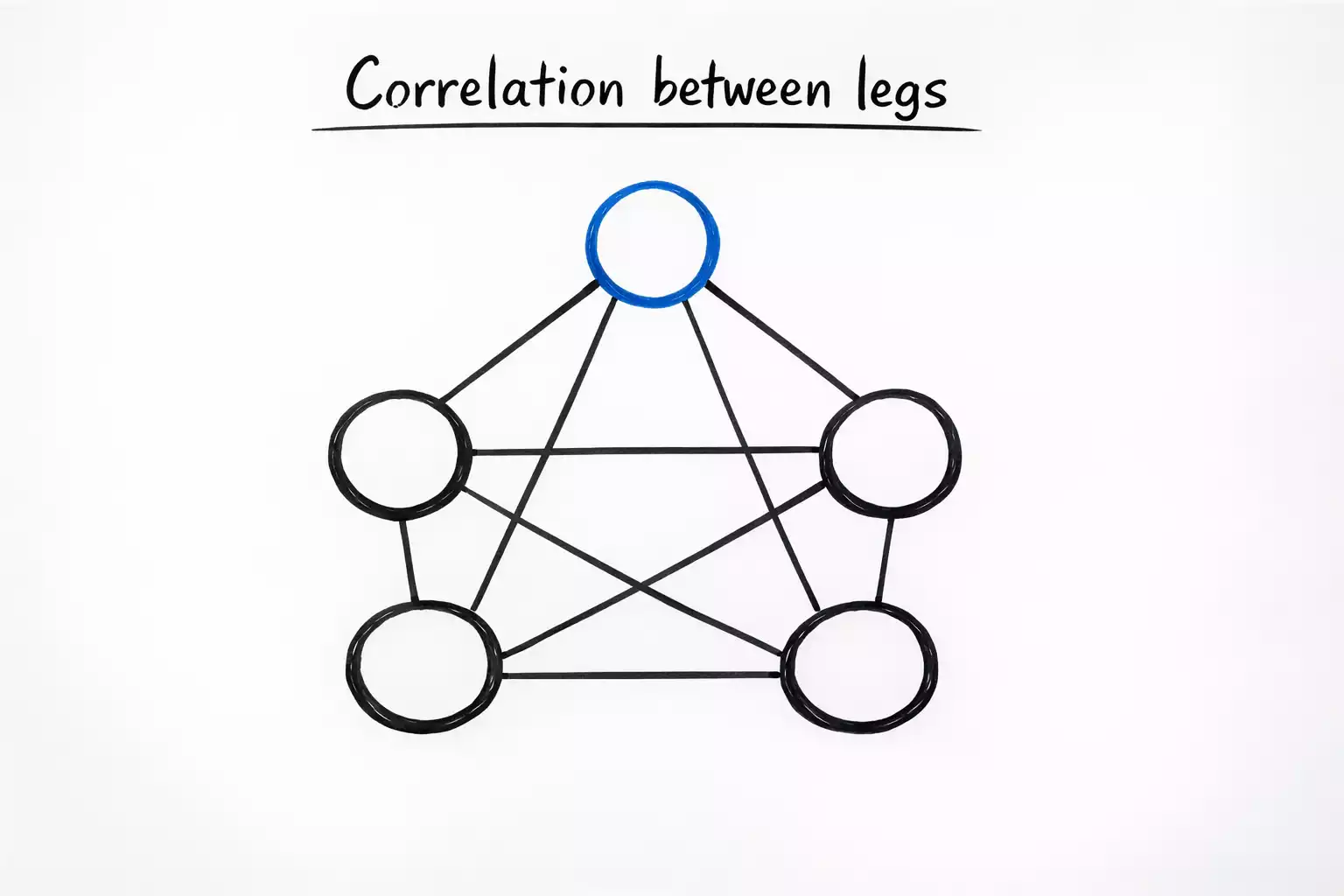
Correlation measures how one outcome affects the probability of another. Positively correlated outcomes move together — when one hits, the other becomes more likely. Negatively correlated outcomes oppose each other — when one hits, the other becomes less likely. Understanding correlation is essential for building intelligently structured parlays.
In MLB, many outcomes correlate strongly. A team’s moneyline winning correlates positively with their starting pitcher performing well. High-scoring games correlate with hitters accumulating total bases and RBIs. A pitcher’s strikeout total correlates positively with his team winning because dominant pitching usually leads to victories.
Positive correlation improves parlay value compared to independent events. If two outcomes each have 50% probability but are positively correlated, the combined probability exceeds 25% (what you’d calculate treating them as independent). Standard parlay pricing assumes independence, so positively correlated legs offer better odds than their true combined probability deserves.
Traditional cross-game parlays rarely involve correlation. The Yankees winning tonight has essentially zero impact on whether the Dodgers cover their run line in a separate game. These independent events work exactly as standard parlay math assumes — multiply the probabilities and multiply the vig.
Same-game parlays nearly always involve correlation, which is why sportsbooks adjust their pricing. A parlay combining Dodgers -1.5 run line with Shohei Ohtani over 6.5 strikeouts involves strong positive correlation — games where Ohtani dominates and the Dodgers win big are exactly the games where both legs hit. The sportsbook reduces your payout to account for this connection.
The goal for SGP bettors is finding combinations where the book’s correlation adjustment underestimates the actual relationship. If two outcomes are more strongly connected than the pricing reflects, you’re getting better odds than you deserve. This is difficult to assess without inside knowledge of the book’s algorithm, but some general principles help.
Negative correlation destroys parlay value but bettors often miss it. Combining a team’s moneyline with the opposing pitcher having a strong start creates logical tension — if their pitcher dominates, your team probably loses. These contradictory combinations reduce win probability below what surface-level analysis suggests, yet the parlay might appear attractive based on individual leg odds.
Building smart parlays means selecting legs that either correlate positively or remain genuinely independent. Avoid combinations where one leg hitting makes another less likely to hit. This basic principle eliminates many recreational parlay constructions that look appealing but contain built-in contradictions.
Smart Parlay Construction Strategies
Building profitable parlays requires more than picking winners — it demands strategic leg selection that maximizes correlation benefits while minimizing compounding vig. These construction principles separate thoughtful parlay builders from recreational bettors throwing darts.
Start with your strongest individual plays. If you’re building a traditional parlay across multiple games, each leg should represent positive expected value on its own. Parlaying three bets you’d make anyway amplifies your edge; parlaying three mediocre spots just amplifies your losses. Never add legs for the sake of bigger payouts if those legs don’t stand on their own merit.
Limit your leg count to manage vig accumulation. Two and three-leg parlays offer reasonable risk-reward profiles for bettors with genuine edges. Beyond three legs, the compounding juice becomes prohibitive unless you’re finding significant value on each component. Those five and six-leg parlays sportsbooks promote exist because the math heavily favors the house at that scale.
For same-game parlays, build narratives that logically connect. A game script where the favorite wins comfortably correlates with their starter pitching deep, their hitters accumulating stats, and the total potentially going over or under depending on whether the dominance is pitching-driven or offense-driven. Construct legs that fit a coherent story about how the game unfolds.
Consider the pitching matchup as your SGP foundation. If you expect a pitcher’s duel, legs like unders on both team totals, starting pitchers going deep, and low individual hitter props all correlate positively. If you project a slugfest, overs on team totals, hitter props, and potentially unders on pitcher outs recorded create the consistent story.
Avoid mixing contradictory game scripts within SGPs. Combining a team total over with their starting pitcher’s outs recorded over creates tension — high-scoring games often see starters pulled early, especially when the scoring favors the other team. These logical conflicts reduce win probability even when individual legs look attractive.
Cross-check your construction against basic probability. A three-leg SGP paying +500 implies roughly 16.7% win probability. If you genuinely believe each leg hits 60% of the time and they correlate positively, your combined probability might be 25-30% — strong positive expected value. But if any leg drops to 50% or correlation is weaker than assumed, that +500 payout might not cover your true risk.
When to Parlay and When to Avoid
Certain situations favor parlay betting while others demand straight wagers. Understanding these contexts helps allocate your bankroll toward structures that match each opportunity.
Parlay when your edge comes from correlation the market underprices. If you’ve identified two SGP legs with strong positive correlation that the sportsbook’s algorithm undervalues, parlaying captures value that straight betting on either leg would miss. This is the clearest strategic justification for parlay betting.
Parlay when bankroll constraints limit your straight betting volume. A bettor with $100 total bankroll might reasonably parlay three games at $33 rather than making three $33 straight bets. The parlay structure provides exposure to all three outcomes with appropriate risk sizing. This is a pragmatic use of parlays even when expected value is neutral.
Parlay when you want amplified variance for entertainment purposes — but acknowledge you’re paying for that entertainment. There’s nothing wrong with occasional recreational parlays if you understand the mathematical cost and budget accordingly. Just don’t confuse entertainment betting with serious profit-seeking strategy.
Avoid parlays when straight betting offers comparable exposure with better expected value. If you can make three individual bets at -110 each, your expected cost is lower than combining them into a parlay where vig compounds. Unless correlation adds value or constraints force parlays, straight bets are mathematically superior.
Avoid parlays when adding legs you wouldn’t bet individually. The temptation to boost payout by adding “likely winners” to an existing parlay destroys bankrolls. Each additional leg must represent positive expected value on its own — otherwise you’re diluting your good plays with neutral or negative ones.
Avoid parlays in volatile markets where line movement is likely. If you’re betting early and expect lines to shift, parlays lock you into prices that might look worse by game time. Straight bets allow adjusting or hedging as information emerges; parlays create all-or-nothing positions that can’t be modified.
Avoid large parlays entirely unless you’re playing purely for entertainment. Four-plus leg parlays face such severe vig accumulation that consistent profit is nearly impossible even with strong handicapping. The books push these products precisely because they’re so profitable for the house. Accept that hitting an occasional big parlay is luck, not skill, and size your action accordingly.
SGP Building Tips: Correlated Legs That Work

Same-game parlay success depends on identifying legs that move together more strongly than standard pricing assumes. Certain MLB combinations consistently offer positive correlation that improves expected value compared to randomly assembled legs.
Pitcher performance and team outcomes correlate strongly. When a starting pitcher records high strikeouts, his team usually wins. When a pitcher goes deep into games (high outs recorded), his team typically has a lead worth protecting. Building SGPs around a dominant pitching performance means combining strikeout overs, outs recorded overs, and team moneylines into one coherent bet.
Run environment legs correlate throughout games. If you expect high scoring, combine the game total over with team total overs and hitter prop overs. If you project a pitching duel, combine game total unders with pitcher-favorable props and perhaps lower hitter expectations. These environmental correlations let you stack multiple legs pointing the same direction.
First-inning and early-game props correlate with final outcomes more than casual bettors realize. A team that scores first often wins, and the factors predicting first-inning success (strong leadoff hitters, starter who struggles early) also predict overall game success. Consider first-to-score props as foundations for broader SGP constructions.
Hitter props within the same lineup correlate when the team performs well offensively. If the Dodgers explode for ten runs, multiple hitters likely exceed their individual props. Stacking Dodgers hitter overs works when you project a big offensive game — the outcomes aren’t independent even though they involve different players.
Avoid pitcher props that conflict with hitter props on the same team. Betting a pitcher’s earned runs under while his team’s hitters go over total bases can work, but creates tension if the high offense comes from both teams. Think through whether your legs support compatible game scripts.
Parlay Insurance and Promotional Opportunities
Sportsbooks frequently offer parlay promotions that change the expected value equation. Understanding these offers helps identify situations where parlays become strategically sound rather than mathematically inferior to straight betting.
Insurance promotions refund losing parlays when one leg misses. A typical offer refunds your stake (as site credit) if your four-leg parlay loses by exactly one leg. This insurance has real mathematical value — it reduces your downside risk at no additional cost, improving expected value compared to uninsured parlays.
Calculating insurance value requires estimating how often you’ll lose by exactly one leg. For a four-leg parlay where each leg hits 55% of the time, you’ll lose by exactly one leg roughly 30% of the time. If insurance returns your stake as site credit worth approximately 70% of cash, the promotion adds several percent of expected value to your parlay.
Boosted parlay promotions offer enhanced odds on specific constructions. A sportsbook might boost a three-leg baseball parlay from +550 to +700. Calculate whether the boosted odds create positive expected value given your projections. Some boosts offer genuine value while others simply make bad bets look less terrible.
Profit boost tokens that increase parlay winnings by a percentage also shift expected value calculations. A 50% profit boost on a +400 parlay effectively gives you +600 odds for the same risk. These promotions can push marginally negative expected value parlays into positive territory if applied correctly.
The catch with all promotions is wagering requirements and opportunity cost. Site credit isn’t cash, and the restrictions on how you use it affect real value. Factor these limitations into your expected value calculations rather than treating promotional credits as equivalent to cash returns.
Managing Expectations and Variance
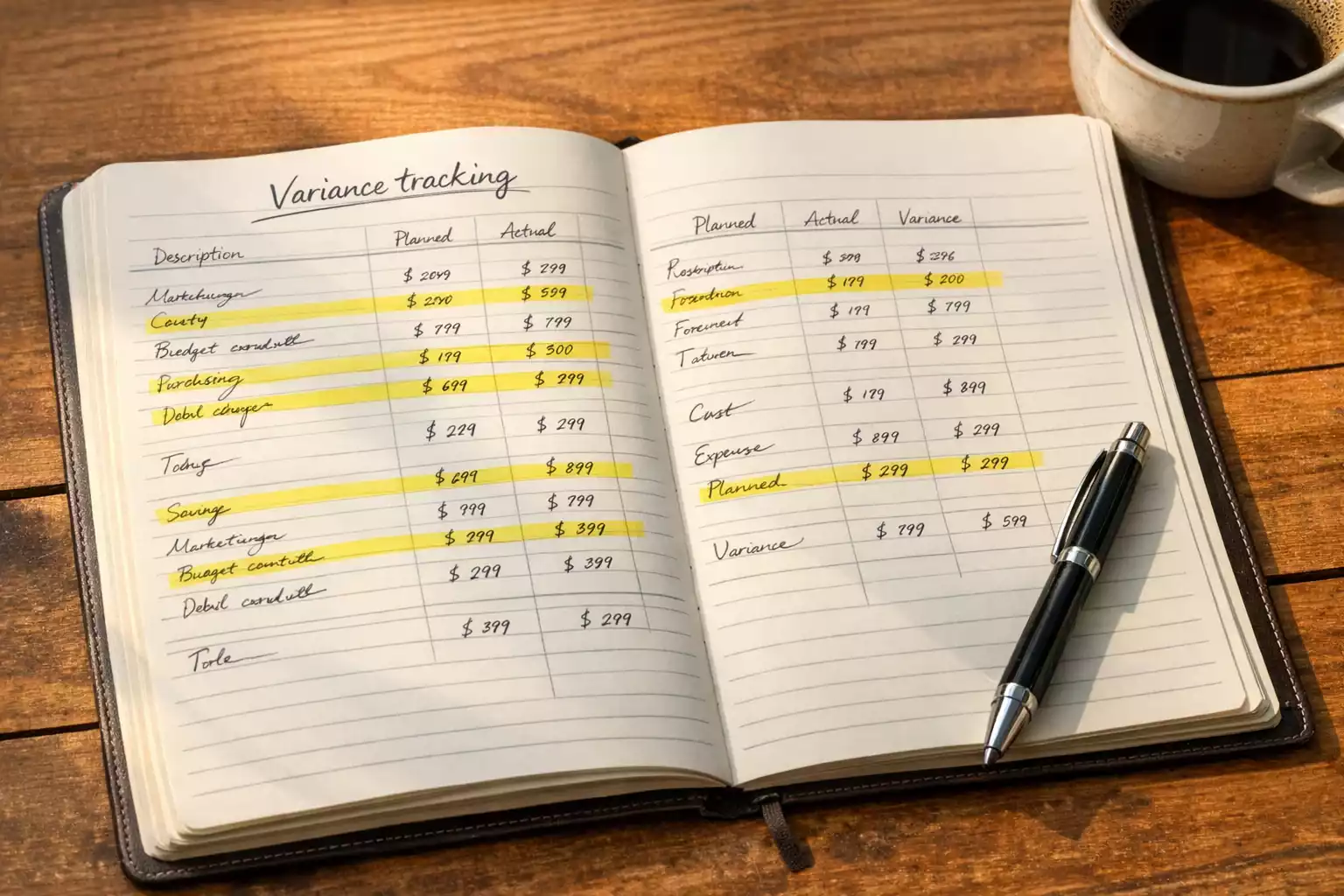
Parlay betting produces extreme variance that many bettors underestimate. Proper bankroll management and realistic expectations prevent the emotional damage that comes with extended losing streaks.
Unit sizing for parlays should be smaller than straight bet sizing. If you typically bet 2% of bankroll on straight wagers, consider 0.5-1% for parlays. The amplified variance means parlays can devastate bankrolls quickly during cold stretches even when you’re making reasonable plays.
Expect long losing runs between parlay wins. A three-leg parlay at +500 odds wins roughly once every six attempts even when you’re projecting accurately. That means five losses for every win as a baseline. During unlucky stretches, you might see fifteen or twenty consecutive losses before hitting. Prepare psychologically for this reality.
Track parlay results separately from straight betting. Your straight bet win rate and parlay hit rate measure different skills. You might be a sharp straight bettor while losing money on parlays due to poor construction or chasing long odds. Separate tracking reveals whether your parlay approach actually works over meaningful samples.
The fundamental question for any serious bettor: do parlays improve your overall expected value compared to straight betting? For most people, the honest answer is no. The entertainment value of parlays is real, but conflating entertainment with profit-seeking leads to bankroll damage. Allocate parlay spending from your entertainment budget rather than your serious betting bankroll.
Finding Your Parlay Edge
MLB parlays offer genuine strategic opportunities for bettors who understand correlation, manage vig accumulation, and construct legs thoughtfully. They’re not inherently bad bets — they’re bets that require more precision and discipline than straight wagers to execute profitably.
Find the most reliable odds and daily tips at MLB Bets to maximize your potential payouts.
The path forward involves specialization rather than volume. Find specific parlay constructions where your analysis identifies correlation the market underprices. Build those constructions repeatedly across the season, tracking results to verify your edge actually exists. Avoid the temptation to parlay every game or chase ever-longer odds.
Most of your MLB betting should remain straight wagers on games where you’ve identified value. Parlays serve as occasional amplifiers when the structure makes mathematical sense — not as the foundation of a betting approach. Keep this hierarchy intact and parlays become tools rather than traps.
Published by the mlb Bets team.