
UK MLB Betting Types: Moneyline Odds, Run Lines and Match Totals
 Available in US
Table of Contents
- Moneyline Bets: Pricing the Outright Baseball Winner
- Run Line Bets: Baseball’s Version of the Point Spread
- Totals Betting: Over/Under Runs Explained
- First 5 Innings Bets: Isolating the Starters
- NRFI and YRFI Bets: The First Inning Market
- Grand Salami: Betting the Entire Slate
- Live Betting: In-Game MLB Wagering
- Making the Most of MLB Bet Types

Baseball betting operates differently than any other major sport. While football and basketball bettors obsess over point spreads, baseball runs on its own logic — a 162-game marathon where underdogs win nearly 44% of the time and starting pitchers dictate everything from opening lines to late-game adjustments. Understanding the various MLB bet types available isn’t just academic exercise; it’s the foundation for finding value in a sport that rewards patient, informed bettors.
This guide breaks down every major bet type you’ll encounter at sportsbooks in 2026, from straightforward moneylines to the increasingly popular NRFI bets that have taken over social media feeds. Whether you’re placing your first baseball wager or looking to expand beyond your usual plays, knowing when and how to use each bet type separates recreational bettors from those who actually turn a profit over a full season.
The beauty of MLB betting lies in its variety. You can bet on a single game outcome, isolate the starting pitchers for just five innings, wager on whether anyone scores in the first frame, or combine multiple plays into parlays that pay out at longer odds. Each approach carries distinct advantages depending on the matchup, your risk tolerance, and how much research you’re willing to put in.
Once you understand the basic moneyline and run line, you can explore MLB prop bets to find hidden value in individual player performances.
Moneyline Bets: Pricing the Outright Baseball Winner

Moneyline betting represents baseball in its purest form. You pick which team wins. That’s it. No point spreads to cover, no margins of victory to worry about — just identify the winner and collect your payout. This simplicity makes moneylines the most popular bet type in baseball, accounting for roughly 60-70% of all MLB wagers at most sportsbooks.
The odds format takes some getting used to if you’re coming from other sports. A favorite might be listed at -150, meaning you need to risk $150 to win $100. The underdog in that same game would be around +130, paying $130 profit on a $100 bet. The gap between those numbers represents the sportsbook’s hold — their built-in profit margin that keeps the lights on regardless of which team wins.
What makes MLB moneylines uniquely interesting is how the starting pitcher dominates the pricing. When a frontline ace takes the mound, his team might be -180 or heavier. Send a spot starter out there against the same opponent, and suddenly that line shifts to -110 or even plus money. This creates constant opportunities for bettors who understand pitching matchups better than the casual fan checking lines five minutes before first pitch.
Reading moneyline odds requires understanding implied probability — the conversion from American odds to percentage chance of winning. A -200 favorite carries an implied probability of 66.7%, while a +200 underdog sits at 33.3%. Sharp bettors compare these implied probabilities against their own projections to find edges. If you believe a team has a 40% chance to win but they’re priced at +180 (implied 35.7%), you’ve potentially found value.
Moneyline betting shines in certain situations. Underdog plays on the moneyline historically outperform expectations in baseball more than any other sport. That 44% win rate for underdogs we mentioned earlier becomes profitable when you consistently grab plus-money prices. Additionally, moneylines remove the stress of needing your team to win by multiple runs — a one-run victory pays exactly the same as a blowout.
The drawback comes with heavy favorites. Laying -200 or more requires winning two out of every three bets just to break even before accounting for the vig. Smart bettors either avoid these situations entirely or look for alternative lines like the run line or first five innings that offer better risk-reward ratios when backing strong favorites.
When selecting moneyline bets, experienced handicappers consider several factors beyond the starting pitchers. Bullpen availability matters tremendously, especially in the second half of the season when arms get tired. Home-road splits reveal which teams play significantly better in front of their own fans. Recent form, while overweighted by the public, does carry some predictive value over short stretches. The key is synthesizing all this information faster and more accurately than the market.
Timing your moneyline bets adds another layer of strategy. Lines move throughout the day as sharp action hits the market. If you like an underdog, getting your bet in early often means grabbing an extra five to ten cents of value before the line moves. Favorite bettors sometimes wait for line movement in the other direction, though this requires more market awareness and carries the risk of your preferred number disappearing entirely.
The mental game of moneyline betting proves challenging for many bettors. Losing streaks happen frequently when you’re betting underdogs at plus money — you might drop six or seven bets in a row even with a solid long-term approach. Understanding variance and maintaining discipline through inevitable downswings separates successful moneyline bettors from those who abandon promising strategies at the first sign of trouble.
Run Line Bets: Baseball’s Version of the Point Spread
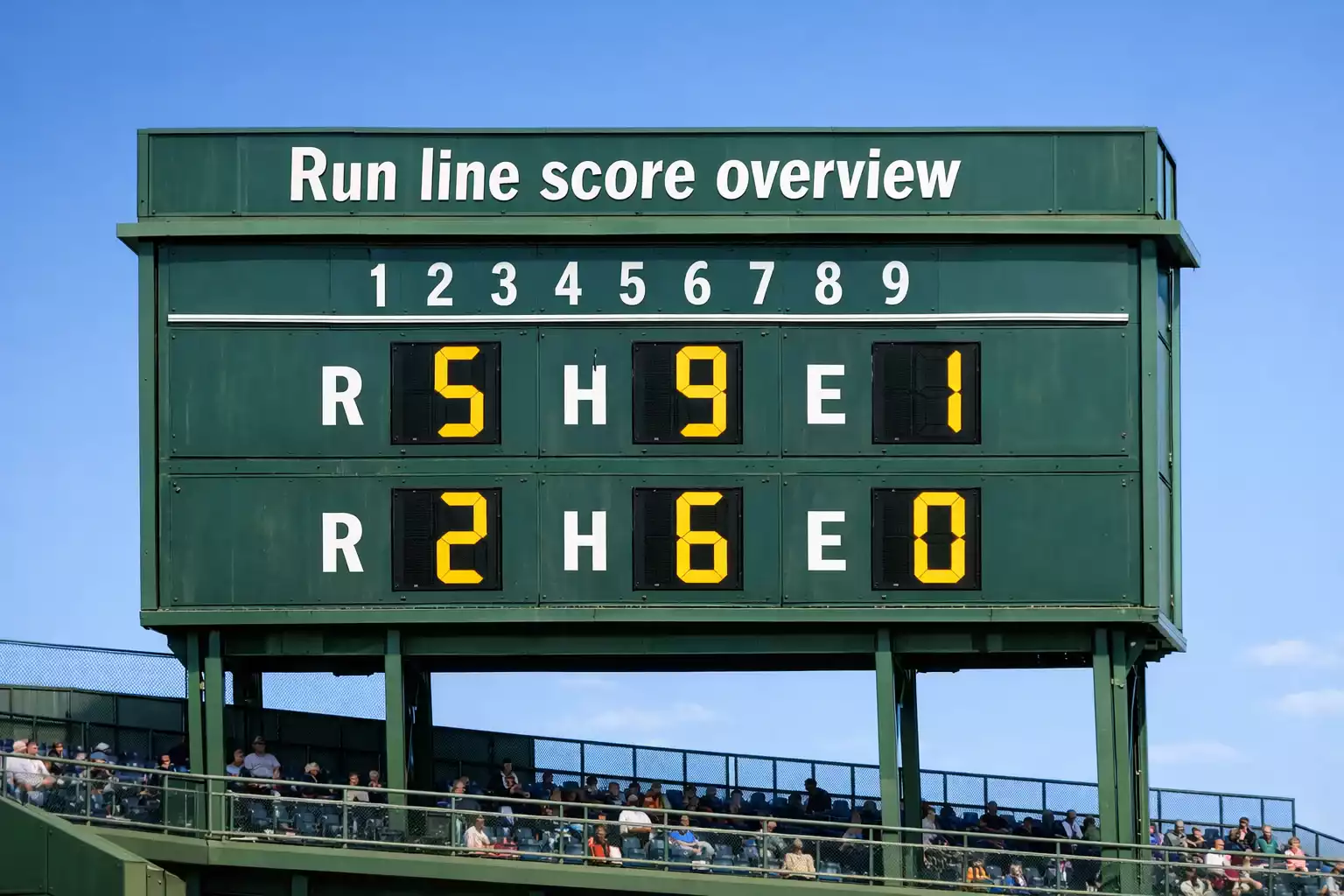
The run line functions as baseball’s spread bet, but it works differently than football or basketball spreads. Rather than setting a custom spread based on the perceived talent gap between teams, MLB run lines default to a standard 1.5 runs in almost every game. The favorite sits at -1.5 (must win by two or more), while the underdog gets +1.5 (can lose by one run and still cover).
This standardization creates interesting dynamics. A -1.5 run line typically offers plus money on favorites, often in the +110 to +150 range depending on the moneyline price. Meanwhile, the +1.5 underdog requires laying juice, perhaps -130 to -170. The trade-off is clear: accept worse odds in exchange for a cushion that covers one-run losses, or take better odds knowing you need a definitive victory.
When should you bet run lines instead of moneylines? The math favors run line underdogs when you believe a team will be competitive but ultimately lose. Getting +1.5 runs means your bet wins on outright victories plus those frustrating one-run defeats that plague underdogs throughout the season. Historically, favorites win by exactly one run in approximately 15-18% of their victories, making this cushion genuinely valuable.
For favorite bettors, the -1.5 run line becomes attractive when you project a mismatch. If your handicapping suggests a team should dominate, taking -1.5 at plus money offers better expected value than laying heavy juice on the moneyline. The risk is obvious — plenty of projected blowouts turn into nail-biters due to late bullpen implosions or unexpected offensive struggles.
Alternative run lines exist at most sportsbooks, letting you adjust the spread to -2.5 or +2.5 with corresponding odds changes. These markets see less action and often carry wider spreads (more juice for the house), but they provide flexibility for bettors with strong opinions about margin of victory. A -2.5 run line might pay +200 or more on a solid favorite, though cashing requires a truly dominant performance.
The decision between moneyline and run line often comes down to the specific matchup profile. High-strikeout pitching duels tend to produce close games regardless of talent differential, making +1.5 underdogs attractive. Conversely, games featuring tired bullpens and potent offenses often get out of hand, boosting the appeal of -1.5 favorites at plus money. Reading these game scripts accurately represents a real edge.
Totals Betting: Over/Under Runs Explained

Totals betting — also called over/under betting — asks you to predict whether the combined score of both teams will exceed or fall short of a number set by the sportsbook. A typical MLB total might land around 8.5 runs, with the over and under each priced near -110. You’re not picking a winner; you’re projecting offensive production versus pitching effectiveness.
Setting totals is arguably the most difficult task for oddsmakers. They must account for both starting pitchers, the hitting prowess of each lineup, ballpark factors, weather conditions, and bullpen availability — all while anticipating how betting action might flow. This complexity creates opportunities for bettors who specialize in totals rather than spreading themselves across every market.
Pitching matchups drive totals analysis more than any other factor. Two aces facing each other pushes the number down, sometimes to 7.5 or even lower in extreme cases. When marginal starters oppose each other, totals can balloon to 10 or higher at hitter-friendly parks. The spread between low and high totals creates distinct betting approaches depending on your read on the game.
Weather conditions deserve serious attention from totals bettors. Wind blowing out to center field at Wrigley can add a run or more to expected scoring. Hot, humid air in places like Houston or Miami helps balls carry further. Conversely, cold early-season games or wind blowing in suppress offense enough to make unders playable even when the pitching matchup looks mediocre.
Ballpark effects create consistent edges for informed bettors. Coors Field in Denver plays so differently that totals regularly exceed 11, yet unders can still hold value when the market overreacts to altitude mythology. Pitcher-friendly parks like Oracle Park in San Francisco regularly produce low-scoring games, making overs potentially valuable when the total drops below 7.
The timing of your totals bet matters considerably. Lines move based on weather reports, lineup announcements, and sharp betting action throughout the day. If you’re betting the over and waiting for the forecast to confirm favorable hitting conditions, you risk seeing the line move from 8.5 to 9 before you act. Experienced totals bettors develop routines for grabbing numbers early on weather-neutral situations while remaining patient when conditions might shift.
One underrated aspect of totals betting involves removing rooting interest from your handicapping. When you bet an over, you cheer for both teams to score. When you bet an under, a 1-0 pitcher’s duel becomes thrilling television. This detachment from team outcomes can actually improve decision-making — you’re purely analyzing the likely scoring environment rather than hoping your favorite team pulls through.
Totals bettors should track their results by category: starting pitcher quality, ballpark, weather conditions, and total size. Patterns emerge over time that reveal your strengths and weaknesses. Maybe you consistently crush unders in pitcher-friendly parks but bleed money on overs at Coors Field. This self-awareness helps you specialize and avoid spots where your edge disappears.
First 5 Innings Bets: Isolating the Starters
First 5 innings betting, commonly abbreviated as F5, focuses exclusively on the score after five complete innings. These bets effectively remove bullpens from the equation, letting you wager purely on the starting pitcher matchup. For bettors who spend hours analyzing starters but lack confidence in predicting reliever performance, F5 markets offer a cleaner path to profit.
The logic behind F5 betting makes intuitive sense. Starting pitchers dominate game outcomes when they’re actually on the mound. Modern bullpens feature volatile late-inning relievers who can blow games without warning, regardless of how well the starter performed. By cutting the bet off at five innings, you’re betting on the controllable portion of the game while avoiding the chaos that often defines the final frames.
F5 moneylines work similarly to full-game moneylines but with adjusted pricing that reflects the reduced sample size. Pushes occur more frequently since games tied after five innings return your stake rather than proceeding to extra innings. This changes the math slightly — you’ll see more -115/-105 type spreads on F5 lines compared to full-game markets.
F5 totals deserve special attention from certain bettors. If you believe two quality starters will dominate for five innings before tired bullpens inflate the final score, the F5 under becomes attractive at numbers the full-game under can’t reach. Conversely, when weak starters face strong offenses, the F5 over captures the damage before managers pull the plug and go to their bullpen.
Sharp bettors particularly love F5 markets early in the season when bullpen roles remain unsettled and teams are still figuring out their late-inning hierarchies. During April and early May, predicting how managers will deploy relievers requires guesswork that F5 betting sidesteps entirely. As the season progresses and bullpen tendencies become clearer, the edge in F5 markets may decrease for some situations.
The main drawback of F5 betting involves reduced liquidity. Not every bettor wants to stop rooting after five innings, so the market for F5 action is smaller than full-game markets. This means sharper lines that move faster on smaller bets and occasionally limits on how much you can wager. High-volume bettors sometimes struggle to get down the amounts they want on F5 plays.
NRFI and YRFI Bets: The First Inning Market

NRFI stands for “No Runs First Inning” and has exploded in popularity over recent years. The bet is exactly what it sounds like: you’re wagering that neither team scores in the top and bottom of the first inning. YRFI (Yes Runs First Inning) takes the opposite side, cashing when at least one run crosses the plate in the opening frame.
The appeal of NRFI bets lies in their quick resolution and apparent simplicity. Within fifteen to twenty minutes of first pitch, you know whether you’ve won or lost. This rapid feedback loop attracts bettors who dislike sweating through three-hour games, and it creates natural built-in stop points for bankroll management — make your NRFI bet, see the result, then decide whether to continue betting that day.
Handicapping NRFI bets requires analyzing factors that influence first-inning scoring specifically. Starting pitchers typically throw their best innings early before fatigue sets in, favoring NRFI. However, leadoff hitters who reach base consistently can spark early rallies. Lineup construction matters too — teams that stack their best hitters in the top three spots pose bigger first-inning threats.
Historical first-inning scoring rates provide the baseline for NRFI analysis. Across MLB, roughly 65-70% of first innings are scoreless, making NRFI a statistically favorable outcome in most games. When two aces with strong first-inning track records face each other, NRFI rates can climb above 75%. Conversely, matchups featuring struggling starters and potent top-of-order hitters might see YRFI hit above 40%.
The pricing on NRFI/YRFI bets varies significantly by matchup. A game featuring two dominant starters might see NRFI priced at -140 with YRFI at +120. Less certain matchups approach even money on both sides. Finding mispriced lines requires tracking first-inning tendencies across the league and comparing your projections against market expectations.
One warning about NRFI betting: the rapid-fire nature can accelerate losses during cold streaks. Losing six NRFI bets in an afternoon feels different than losing six full-game bets over a week, even if the dollar amounts are identical. Bankroll discipline becomes especially important when betting markets that resolve every twenty minutes. Set daily limits and stick to them regardless of results.
Grand Salami: Betting the Entire Slate
Grand Salami betting takes totals wagering to its logical extreme — instead of betting over/under on a single game, you’re betting on the combined runs scored across every MLB game that day. If the slate features twelve games, you might see a Grand Salami total around 85 runs with standard -110 juice on both sides.
This market appeals to bettors who prefer macro-level analysis over game-by-game handicapping. Rather than dissecting individual matchups, Grand Salami bettors focus on league-wide trends. Are offenses surging across baseball? Have pitchers found their rhythms during a particular stretch? Weather patterns affecting multiple stadiums become relevant when you’re aggregating scores across the entire league.
The Grand Salami tends to see lighter action than individual game markets, meaning odds can be slightly softer and less efficiently priced. Oddsmakers must balance multiple factors across a dozen or more games, creating potential edges for bettors who identify days when the total feels off. However, the aggregated nature of the bet also smooths out variance — one blowout game can single-handedly push the over, while a few pitching duels can sink the over regardless of other outcomes.
Betting the Grand Salami requires accepting that individual game results barely matter compared to the overall scoring environment. You might lose eight of twelve games if you had bet them individually, yet still cash your over because the four games you “won” featured offensive explosions. This detachment from game outcomes takes some mental adjustment but can provide a refreshing change of pace from standard handicapping.
Live Betting: In-Game MLB Wagering

Live betting opens up entirely new angles on every game. Once first pitch is thrown, odds update continuously based on the score, inning, count, and runners on base. This dynamic market rewards bettors who watch games closely and react faster than the algorithm adjusting the numbers.
The pace of baseball suits live betting particularly well. Between pitches, you have time to analyze situations and place wagers. Unlike basketball where momentum swings happen in seconds, baseball provides natural pauses that let you think through your position. Want to bet the next half-inning under? You’ve got thirty seconds between innings to pull the trigger.
Live moneylines fluctuate dramatically based on game state. A team that fell behind 3-0 early might jump to +250 if you believe they’ll mount a comeback. Conversely, a team nursing a late lead with their closer warming up might be available at reduced juice compared to pregame prices. These pricing inefficiencies appear throughout games for bettors patient enough to spot them.
Live totals betting requires understanding pace of play and remaining innings. If a game sits at 2-1 after six innings, the live total might drop to 4.5 for the final three frames. Assessing whether bullpens will hold or whether offenses will break through requires real-time analysis of pitcher velocity, release point consistency, and swing-and-miss rates.
The danger of live betting lies in its seductive immediacy. Poor decisions made on impulse can stack up quickly when you’re betting every half-inning. Successful live bettors maintain the same discipline they apply to pregame markets — identifying spots with genuine edges rather than betting for action’s sake.
Making the Most of MLB Bet Types
The variety of MLB betting markets creates opportunities that don’t exist in other sports. You can tailor your approach to your strengths — whether that’s analyzing starting pitchers for F5 bets, projecting total runs based on weather, or identifying live betting spots during games you’re watching closely.
No single bet type dominates in terms of profitability. The edge comes from understanding when each market offers value and developing expertise in specific areas rather than spreading yourself thin. Some successful MLB bettors exclusively bet totals. Others focus entirely on NRFI plays. The specialization approach works because markets reward deep knowledge over broad familiarity.
For a complete overview of all wagering opportunities, visit our top baseball betting guide to refine your season-long strategy.
Start with moneylines to learn the fundamentals, then gradually explore other markets as your handicapping improves. Track your results by bet type to identify where your analysis translates into actual profits. Over the course of a 162-game season, even small edges compound into meaningful returns — but only if you’re disciplined enough to stick with approaches that work while abandoning those that don’t.
The 2026 season offers 2,430 regular-season games before playoffs even begin. Each game presents multiple betting opportunities across the markets we’ve covered. The bettors who profit consistently aren’t necessarily the smartest or most analytical — they’re the ones who found their niche, mastered their preferred bet types, and maintained discipline through the inevitable variance that baseball delivers every single day.
Published by the mlb Bets team.